What Is Blood Glucose?
Blood glucose, commonly called blood sugar, is the primary biomarker that measures the concentration of sugar (specifically, glucose) circulating in your bloodstream. Glucose is the body's main source of energy, derived from the carbohydrates we eat. After digestion, glucose enters the bloodstream and, with the help of the hormone insulin, is transported into cells to be used for energy or stored for future use. This test is a fundamental snapshot of your body's immediate energy availability and its ability to manage this crucial fuel source.
Doctors order blood glucose tests for several key reasons. Primarily, it is the cornerstone test for screening, diagnosing, and monitoring diabetes and prediabetes. According to the American Diabetes Association (ADA), it is also used to evaluate symptoms of hyperglycemia (high blood sugar) or hypoglycemia (low blood sugar), to check overall metabolic health during routine physicals, and to monitor the effectiveness of diabetes treatment plans. It provides critical, immediate data on how your body is processing sugars.
This biomarker is intimately related to the function of several key organs and systems. The pancreas is central, as it produces insulin to lower glucose and glucagon to raise it. The liver acts as a glucose reservoir, storing and releasing it as needed. The endocrine system orchestrates the hormonal balance, and the cardiovascular system is profoundly impacted by long-term glucose levels, with high levels being a major risk factor for heart disease, stroke, and damage to blood vessels (vascular system), nerves (nervous system), kidneys, and eyes.
Normal Blood Glucose Ranges
By Age and Gender
Blood glucose reference ranges are generally consistent across adult men and women, but vary for children, pregnant women, and sometimes the elderly. The following table outlines standard ranges based on guidelines from the American Diabetes Association (ADA) and the American Association of Clinical Endocrinology (AACE).
| Group | Low (Hypoglycemia) | Normal | Optimal (Ideal) | High (Hyperglycemia) |
|---|---|---|---|---|
| Adult Men & Women (Non-Pregnant) | < 70 mg/dL (< 3.9 mmol/L) | 70-99 mg/dL (3.9-5.5 mmol/L) Fasting | 70-90 mg/dL (3.9-5.0 mmol/L) Fasting | ≥ 100 mg/dL (≥ 5.6 mmol/L) Fasting |
| Children & Adolescents | < 70 mg/dL (< 3.9 mmol/L) | 70-100 mg/dL (3.9-5.6 mmol/L) Fasting | Similar to Normal range | ≥ 100 mg/dL (≥ 5.6 mmol/L) Fasting |
| Pregnant Women (Gestational Diabetes Screening) | < 70 mg/dL (< 3.9 mmol/L) | < 92 mg/dL (< 5.1 mmol/L) Fasting | < 92 mg/dL (< 5.1 mmol/L) Fasting | ≥ 92 mg/dL (≥ 5.1 mmol/L) Fasting |
| Elderly (65+) | < 70 mg/dL (< 3.9 mmol/L) | 70-130 mg/dL (3.9-7.2 mmol/L) Fasting (individualized) | 70-110 mg/dL (3.9-6.1 mmol/L) Fasting | > 130 mg/dL (> 7.2 mmol/L) Fasting (may vary) |
What "Normal" vs "Optimal" Means
The "normal" column represents the standard laboratory reference range—the values within which 95% of a healthy population falls. A result within this range is not flagged as abnormal by a lab. However, "optimal" represents a tighter, more ideal range associated with the lowest risk of future metabolic disease. For instance, while a fasting glucose of 98 mg/dL is technically "normal," research indicates that levels consistently above 90 mg/dL may already indicate early insulin resistance and increased risk for progressing to type 2 diabetes.
Focusing on optimal levels matters profoundly for preventive health. Maintaining blood sugar in the optimal zone reduces metabolic stress on the pancreas and blood vessels, lowering the long-term risk of developing type 2 diabetes, cardiovascular disease, neuropathy, and other complications. It's a proactive approach to health, aiming not just for the absence of disease (normal) but for a state of vibrant metabolic efficiency (optimal).
What Do Abnormal Results Mean?
High Blood Glucose Levels (Hyperglycemia)
Causes:- Diabetes (Type 1, Type 2, or Gestational): The most common cause, due to insufficient insulin production or insulin resistance.
- Metabolic Syndrome: A cluster of conditions including insulin resistance.
- Pancreatic Disorders: Pancreatitis, cystic fibrosis, or pancreatic cancer that impair insulin production.
- Hormonal Imbalances: Conditions like Cushing's syndrome (high cortisol) or acromegaly (high growth hormone).
- Severe Illness or Stress: Physical stress from surgery, heart attack, or infection triggers stress hormones that raise blood sugar.
- Medications: Such as corticosteroids, certain diuretics, and some antipsychotics.
- Dietary Habits: Consuming large amounts of sugary or high-carbohydrate foods, especially in a metabolically compromised individual.
Low Blood Glucose Levels (Hypoglycemia)
Causes:- Diabetes Medication: Taking too much insulin or oral hypoglycemic drugs (e.g., sulfonylureas).
- Skipping or Delaying Meals: Not eating enough carbohydrates to match medication or activity.
- Excessive Physical Activity: Increasing glucose use without adjusting food or medication.
- Alcohol Consumption: Especially on an empty stomach, as it impairs the liver's ability to release glucose.
- Critical Organ Illness: Severe liver disease (e.g., cirrhosis), kidney disorders, or hormone deficiencies (e.g., Addison's disease, hypothyroidism).
- Reactive Hypoglycemia: An overproduction of insulin after a high-carb meal, causing a subsequent crash.
- Bariatric Surgery: Can alter the body's handling of food and insulin.
How to Improve Your Blood Glucose Levels
Diet and Nutrition
A balanced, nutrient-dense diet is the most powerful tool for managing blood sugar. Focus on high-fiber foods, lean proteins, and healthy fats, which slow the absorption of glucose.
Specific Foods that Help:- Non-Starchy Vegetables: Aim for 4-5 servings daily (1 serving = 1 cup raw or 1/2 cup cooked). Broccoli, spinach, and bell peppers are excellent.
- High-Fiber Legumes: 1/2 cup of lentils, chickpeas, or black beans provides about 7-8 grams of fiber.
- Berries: 1 cup of raspberries or blackberries offers 8 grams of fiber with lower sugar impact.
- Nuts and Seeds: A 1-ounce serving (e.g., 23 almonds) provides healthy fat and protein.
- Fatty Fish: Two 3.5-ounce servings per week of salmon or mackerel for omega-3s.
| Food | Suggested Serving | Key Benefit |
|---|---|---|
| Avocado | 1/3 medium | High in monounsaturated fat & fiber to slow digestion. |
| Chia Seeds | 1 tablespoon | Soluble fiber forms a gel, slowing glucose absorption. |
| Cinnamon | 1 tsp daily | Some studies suggest it may improve insulin sensitivity. |
| Apple Cider Vinegar | 1-2 tbsp diluted before meals | May blunt post-meal glucose spikes. |
| Greek Yogurt (plain) | 3/4 cup | High protein, probiotics; linked to reduced diabetes risk. |
| Oats (steel-cut) | 1/2 cup cooked | Rich in beta-glucan, a blood sugar-regulating soluble fiber. |
| Lentils | 1/2 cup cooked | High fiber and resistant starch. |
| Broccoli | 1 cup cooked | Contains sulforaphane, which may have anti-diabetic effects. |
| Walnuts | 1 ounce (14 halves) | Healthy fats, fiber, and magnesium. |
| Extra Virgin Olive Oil | 1-2 tbsp for dressing | Improves insulin sensitivity. |
Lifestyle Changes
Exercise Recommendations: The ADA recommends at least 150 minutes of moderate-intensity aerobic activity (like brisk walking) per week, spread over at least 3 days, with no more than 2 consecutive days without activity. Include resistance training (e.g., weight lifting) 2-3 times per week. Even short walks after meals can significantly lower postprandial (after-meal) glucose spikes. Sleep and Stress Management: Chronic sleep deprivation (less than 6-7 hours) and high stress increase cortisol, which raises blood glucose. Aim for 7-9 hours of quality sleep per night. Incorporate stress-reduction techniques like mindfulness meditation, deep breathing, or yoga for 10-15 minutes daily. Supplements (Consult your doctor before starting any supplement):- Berberine: 500 mg, 2-3 times daily before meals. Evidence Level: High. Multiple meta-analyses show it can be as effective as some diabetes medications for lowering fasting and post-meal glucose.
- Magnesium: 200-400 mg/day of glycinate or citrate. Evidence Level: Moderate. Deficiency is linked to insulin resistance; supplementation may improve insulin sensitivity.
- Alpha-Lipoic Acid: 600-1200 mg/day. Evidence Level: Moderate. An antioxidant shown to reduce symptoms of diabetic neuropathy and may improve insulin sensitivity.
- Vitamin D: Dosage based on deficiency (often 1000-4000 IU/day). Evidence Level: Moderate. Low levels are associated with impaired insulin secretion and increased diabetes risk.
Related Tests to Consider
Blood glucose is a single point-in-time measurement. For a comprehensive view of metabolic health, these related biomarkers are crucial:
- Hemoglobin A1c (HbA1c): Measures your average blood sugar over the past 2-3 months. It is the primary test for diagnosing and monitoring long-term diabetes control.
- Fasting Insulin: Assesses how much insulin your body produces. High levels often indicate insulin resistance, even if glucose is still normal.
- C-Peptide: Helps distinguish between Type 1 and Type 2 diabetes by measuring how much insulin your pancreas is producing.
- Lipid Panel: Includes cholesterol and triglycerides. Insulin resistance often causes a pattern of high triglycerides and low HDL ("good") cholesterol.
- High-Sensitivity CRP (hs-CRP): A marker of inflammation. Chronic low-grade inflammation is a key driver of insulin resistance.
- Comprehensive Metabolic Panel (CMP): Includes glucose but also checks liver and kidney function, which can be affected by long-term blood sugar issues.
Testing these together provides a fuller picture of not just your current sugar level, but your body's ability to manage it, your long-term control, and the associated metabolic and inflammatory risks.
When to Get Tested
Recommended Testing Frequency:- Adults 45+: Every 3 years, as per ADA guidelines.
- Adults of any age with overweight/obesity (BMI ≥25) and one additional risk factor: Annually.
- Individuals with Prediabetes: Annually.
- Individuals with Diabetes: As directed by your doctor (often 2-4 times per year for HbA1c, and more frequent self-monitoring).
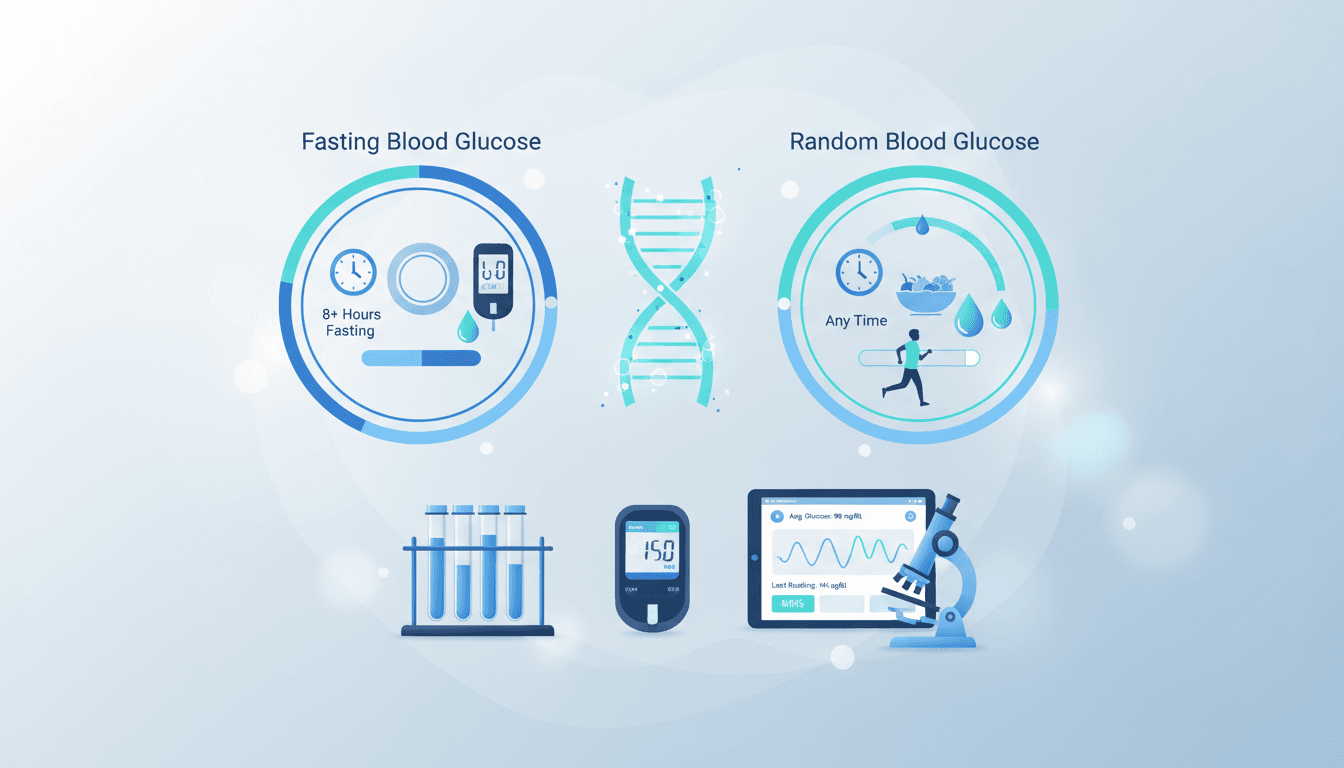
- For a Fasting Blood Glucose Test: Do not eat or drink anything (except water) for at least 8-12 hours before the test. Typically done in the morning.
- For a Random Blood Glucose Test: No special preparation is needed; it can be taken at any time.
- General: Inform your doctor of all medications and supplements you take, as some can affect results.
Frequently Asked Questions
- Is a fasting blood glucose level of 102 mg/dL normal? No, it is considered impaired fasting glucose (prediabetes). While not diabetic, it indicates elevated risk and warrants lifestyle intervention and likely an HbA1c test.
- What is a dangerous blood sugar level? For most, levels persistently above 180 mg/dL (10 mmol/L) or below 54 mg/dL (3 mmol/L) are considered dangerous and require medical attention. Acute readings above 250 mg/dL (13.9 mmol/L) or below 50 mg/dL (2.8 mmol/L) are urgent.
- Can stress cause high blood sugar? Yes. Stress hormones like cortisol and adrenaline cause the liver to release glucose and can make cells more resistant to insulin, leading to temporary spikes.
- What should my blood sugar be 2 hours after eating (postprandial)? For non-diabetics, it should be less than 140 mg/dL (7.8 mmol/L). For diabetics, the ADA recommends a target of less than 180 mg/dL (10.0 mmol/L).
- Why is my fasting blood sugar high in the morning (dawn phenomenon)? In the early morning, the body releases hormones (cortisol, glucagon) to prepare for the day, which can cause a natural rise in blood sugar. In people with insulin regulation issues, this rise can be excessive.
- Can you have normal fasting glucose but still have diabetes? Yes. This is why HbA1c and oral glucose tolerance tests are important. Some people have normal fasting sugar but experience significant spikes after meals.
- Are home glucose meters accurate? FDA-approved meters are generally accurate within +/- 15% of lab results. Proper technique, strip storage, and regular calibration are key for reliability.
- What's the difference between blood glucose and blood sugar? They are the same thing. "Blood sugar" is the common term, while "blood glucose" is the more precise scientific term, as glucose is the specific type of sugar measured.
- How does dehydration affect blood sugar levels? Dehydration can concentrate the blood, leading to a higher measured glucose level. It can also stress the kidneys, which play a role in glucose excretion.
- Is a random glucose of 140 mg/dL bad? It depends. If you just ate, it might be normal. If you haven't eaten in hours, it's elevated and should be followed up with a fasting test or HbA1c.